A Nation Unchanged, an Industry Evolving
Why Bulgaria?
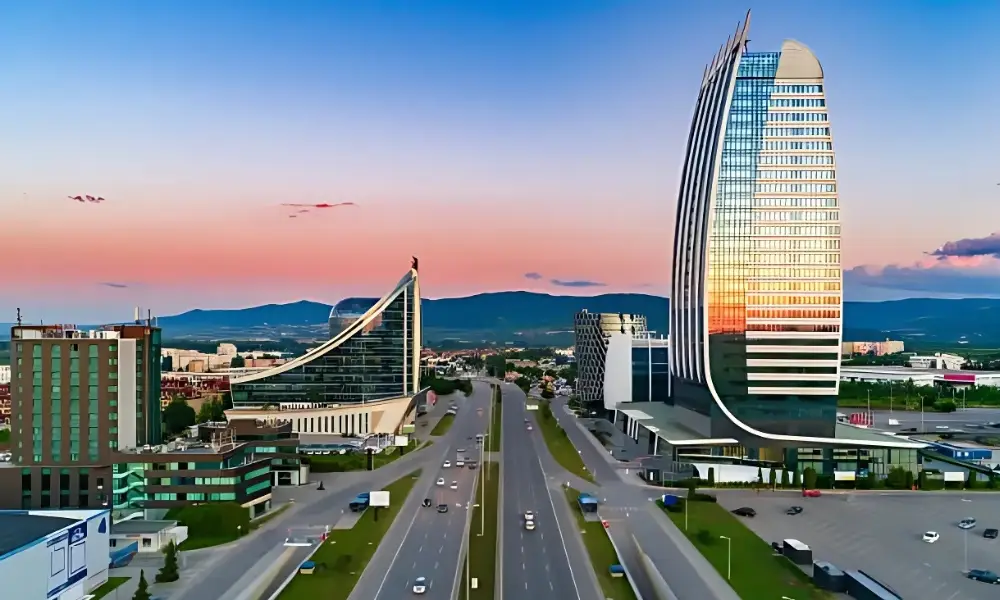
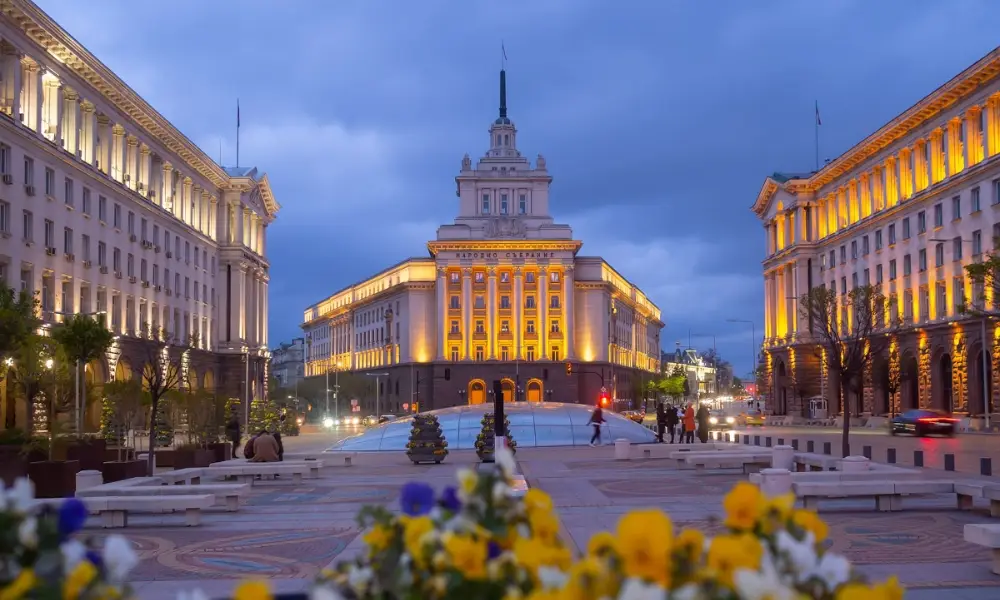
Bulgaria, situated in Southeast Europe, shares borders with Romania to the north, Serbia and North Macedonia to the west, Greece and Turkey to the south, and the Black Sea to the east. Covering 110,994 square kilometers, it ranks as the 16th largest country in Europe. The capital city, Sofia, serves as the nation’s political, economic, and cultural centre. Bulgaria boasts a rich cultural heritage, including seven UNESCO World Heritage sites such as the Rila Monastery and the ancient city of Plovdiv. Strategically located, Bulgaria offers access to both European and Asian markets, enhancing its appeal for international operations. Notably, Bulgaria has maintained its name since its establishment in 681 AD, making it the only country in the world that has never changed its name.
Key advantages of BPOs in Bulgaria include:
Population and language
Bulgaria has a steadily declining population, currently estimated at around 6.5 million. The majority ethnic group is Bulgarian, making up approximately 84.8%, followed by the Turkish minority at 8.8% and the Roma community at 4.4%. The age structure shows a growing elderly population, with over 21% aged 65 and above. Migration has significantly impacted demographics, with large numbers of young adults leaving the country. Bulgarian is the official language, used in government, education, and daily life. English is widely spoken in business, particularly in international sectors. Higher education institutions offer courses in Bulgarian and English, with some also providing programmes in French, German, and Spanish. Foreign language schools are well established, reflecting the country’s strong focus on multilingual education.
Education and workforce
Higher education in Bulgaria includes 51 accredited institutions, with 38 public and 13 private universities. Economics, medicine, computer sciences, engineering, and healthcare are among the most popular fields of study. Foreign students make up 9% of total enrolments. Education levels remain below the EU average, with 35.8% of those aged 25-34 holding degrees. The workforce is concentrated in services and industry, while manufacturing employs over 565,000 people. Only 19.3% of university graduates come from STEM fields, limiting the talent pool for technology-driven sectors. Public administration, defence, and education are seeing steady employment growth, while the private sector contributes over 70% of GDP. Competitive labour costs, multilingual education, and strong expertise in IT and engineering continue to make Bulgaria’s workforce attractive for international businesses.
Transport and infrastructure
Bulgaria has a well-connected transport infrastructure supporting business operations. Sofia Airport (IATA: SOF, ICAO: LBSF) is the primary international hub, handling millions of passengers annually, with expansion plans including a new terminal. Varna Airport (IATA: VAR, ICAO: LBWN) and Burgas Airport (IATA: BOJ, ICAO: LBBG) serve business travel to the Black Sea region. The Struma Motorway, part of the Pan-European Corridor IV, links Sofia to Greece, with the Zheleznitsa Tunnel improving road connectivity. The EU funds smart transport projects, including secure truck parking zones, while the World Bank advises on road development. Bulgaria’s railway network offers an alternative, but car hire or chauffeured services are preferred for business travel. The country’s infrastructure ensures efficient movement between economic hubs, supporting international investment and operations.

Telecommunications and connectivity
The telecommunications market is valued at approximately USD 1.997 billion, with key players including Vivacom, A1 Bulgaria, and Yettel. 5G coverage has expanded to over 530 towns, improving mobile connectivity. Fibre broadband adoption continues to rise, with 65% of fixed-line broadband users on fibre networks. Internet penetration in urban households stands at 93.07%. The ICT sector is projected to reach USD 9.23 billion, supported by government initiatives such as the Digital Agenda for Bulgaria. The World Bank is assisting with data governance and digital transformation. The country is part of the Clean Network initiative to secure 5G infrastructure. Telenor Bulgaria rebranded as Yettel, reflecting market shifts. Starlink satellite broadband is now available, offering high-speed alternatives. Investments and policy support continue to strengthen connectivity for business operations.
Government support and growth
Sofia Tech Park serves as Bulgaria’s primary innovation hub, supporting startups, researchers, and established businesses. Business Park Sofia, the largest office park in Central and Eastern Europe, provides flexible workspaces, including LEED Platinum-certified buildings. Trakia Economic Zone near Plovdiv spans 1,070 hectares, hosting over 200 companies and employing 45,000 people. The government actively supports the IT sector through investment in technology hubs and industrial zones. Major companies, including IBM, Microsoft, and Paysafe, have expanded operations in Sofia and Borovets. Bulgaria’s well-developed educational system strengthens its skilled IT workforce. Plovdiv features six industrial zones, attracting global enterprises. The World Bank provides strategic guidance on infrastructure, while EU funding supports digital transformation and smart cities. Bulgaria’s favourable business environment continues to attract international investors.
BPO services
Telus International, Sutherland, and Concentrix are among the leading BPO companies in Bulgaria, offering services in customer support, technical assistance, and back-office operations. The industry employs a significant portion of the 104,404 full-time professionals in Bulgaria’s knowledge sector. The top BPO sectors include customer service, IT services, finance and accounting, and human resources. Competitive labour costs and a multilingual workforce fluent in English, German, French, and Spanish make Bulgaria an attractive outsourcing destination. The market is projected to grow by 4.80% annually, reaching USD 156.70 million by 2029. The government supports the sector with favourable tax policies and investment incentives. Bulgaria’s strategic location offers strong time zone alignment with Europe, ensuring seamless communication for businesses outsourcing operations. High service quality and international standards enhance its global competitiveness.

Top Outsourcing services
Exceptional service solutions
South Africa excels in providing diverse and efficient outsourcing services, including customer support, technical assistance, financial process management, and specialised industry support.
ServiceS frequently outsourced to
Bulgaria
- Auditing
- Billing Support
- Booking Support
- Claims Processing
- Customer Service
- Digital & Technology Services
- Digital Transformation
- ERP Solutions
- Financial Accounting
- Google Ad Management
- Help Desk
- I.T. Audit & Consulting
- I.T. Project Rescue
- I.T. Staffing Services
- Infrastructure Maintenance
- L2 & L3 Support
- Multilingual Services
- Omni-channel Services
- Research and Development
- Robotic Process Automation (RPA)
- Software Development
ServiceS frequently outsourced to
Bulgaria
- Auditing
- Billing Support
- Booking Support
- Claims Processing
- Customer Service
- Digital & Technology Services
- Digital Transformation
- ERP Solutions
- Financial Accounting
- Google Ad Management
- Help Desk
- I.T. Audit & consulting
- I.T. Project Rescue
- I.T. Staffing Services
- Infrastructure Maintenance
- L2 & L3 Support
- Multilingual Services
- Omni-channel Services
- Research and Development
- Robotic Process Automation (RPA)
- Software Development