A Business Oasis for Growth
Why Oman?
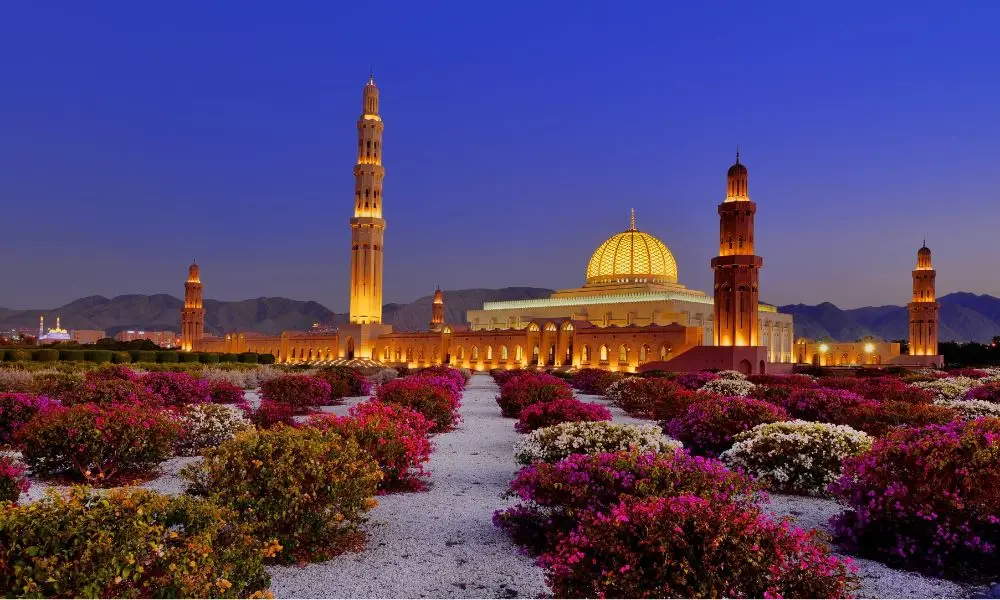
Oman, located on the southeastern coast of the Arabian Peninsula, shares borders with the United Arab Emirates, Saudi Arabia, and Yemen. Its diverse geography includes the Al Hajar Mountains, expansive deserts, and a lengthy coastline along the Arabian Sea and Gulf of Oman. The capital city, Muscat, serves as the political and economic hub, housing key institutions and businesses. Culturally, Oman is known for its rich maritime history and traditional crafts. Notable landmarks include the Sultan Qaboos Grand Mosque, a masterpiece of Islamic architecture, and the historic Bahla Fort, a UNESCO World Heritage site. Oman’s strategic location and well-developed infrastructure make it a vital link for trade between the Middle East, Africa, and Asia. The national currency is the Omani Rial (OMR).
Key advantages of BPOs in Oman include:
Population and language
Oman has an estimated population of 5.49 million, with a density of 18 people per square kilometre. Urbanisation is high, with 90.8% of residents living in cities. Migration significantly shapes the demographic landscape, with a net annual influx of over 113,000 migrants, contributing to a diverse mix of Omani nationals and foreign workers. Over 40% of the population consists of expatriates, primarily from India, Pakistan, Bangladesh, the Philippines, and Egypt, influencing language use in workplaces and daily interactions. Arabic is the official language, used in government and daily communication. English is widely spoken and serves as the primary language in business and higher education. Expatriate communities speak Baluchi, Urdu, and various Indian dialects, reinforcing Oman’s multilingual environment and strengthening its position as an international business hub.
Education and workforce
Oman’s education sector contributes 4.9% to GDP, with projections to rise to 6.2%. Sultan Qaboos University and the University of Nizwa are expanding programmes in engineering, IT, and business administration to meet market demands. The student-to-faculty ratio stands at 19.04, with an upper limit of 30 students per faculty recommended for quality education. The country must create over 220,000 jobs by 2032 to meet workforce demand. National surveys identify skill gaps to align education with industry needs. Training in digital transformation, remote work capabilities, and emerging technologies is prioritised. Workforce development focuses on automation, cloud computing, and AI. Government initiatives ensure graduates are equipped with the skills required for evolving job markets, strengthening Oman’s position as a competitive global workforce hub.
Transport and infrastructure
Muscat International Airport (IATA: MCT, ICAO: OOMS) is the main gateway, handling over 14 million passengers annually. Salalah International Airport (IATA: SLL, ICAO: OOSA) and Sohar International Airport (IATA: OHS, ICAO: OOSH) support regional and international travel. The government has allocated USD 2.34 billion for transport infrastructure, with public-private partnerships driving development. The Hafeet Rail project will link Sohar Port to the UAE National Rail Network, improving cross-border trade and logistics. Well-maintained road networks and modern highways connect business districts, ensuring smooth travel. Taxis and ride-hailing services provide efficient urban transport. Investments in digital tolling, smart traffic management, and logistics hubs strengthen business connectivity. Airport expansions and improved cargo handling facilities enhance trade, reinforcing Oman’s position as a regional business and transport hub.


Telecommunications and connectivity
The Oman Telecommunications Regulatory Authority targets 98% mobile network coverage, strengthening nationwide connectivity. Omantel, in partnership with Equinix, launched the SN1 data centre in Salalah, providing carrier-neutral services and improving global connectivity. Ooredoo Group is developing a subsea cable linking seven Middle Eastern countries, offering 720Tbps capacity across 24 fibre pairs. The Oman Australia Cable, a 9,800 km fibre-optic link, connects Muscat to Perth, facilitating faster data transfer between the Middle East and Australia. The Oman Emirates Gateway submarine cable with the UAE enhances regional data exchange. Expanding fibre-optic networks increase work-from-home capabilities and cloud-based operations. Investments in data centres and undersea cable networks strengthen Oman’s role as a strategic data transit hub, improving connectivity for international business and digital service providers.
Government support and growth
BPO services
Oman’s BPO sector is projected to generate USD 126.10 million in revenue, driven by government-backed economic diversification efforts. IT outsourcing is expanding rapidly, with increased demand for software development, cloud computing, and cybersecurity solutions. Customer support outsourcing is growing as businesses seek to enhance efficiency and customer experience. Finance and accounting outsourcing is also gaining traction, with companies streamlining operations to reduce costs. The global BPO market is expected to reach USD 525 billion by 2030, creating opportunities for Oman to attract international clients. A skilled workforce, strategic location, and government incentives support industry growth. Digital transformation initiatives, automation, and AI integration are key trends shaping the sector, positioning Oman as a competitive destination for outsourcing services in the Middle East.

Top Outsourcing services
Exceptional service solutions
South Africa excels in providing diverse and efficient outsourcing services, including customer support, technical assistance, financial process management, and specialised industry support.
ServiceS frequently outsourced to
Oman
- Accounting and Bookkeeping
- App Support
- Appointment Setting
- Back Office Tasks
- Billing Support
- Booking Support
- Collections
- Customer Contact Management
- Customer Retention
- Customer Service
- Digital Marketing
- Help Desk
- IT Managed Services
- L2 Tech Support
- Lead Generation
- Multilingual Support
- Omni-channel Services
- Payroll Services
- Social Media Support
- Tech and AI Solutions
- Technical Support
ServiceS frequently outsourced to
Oman
- Accounting and Bookkeeping
- App Support
- Appointment Setting
- Back Office Tasks
- Billing Support
- Booking Support
- Collections
- Customer Contact Management
- Customer Retention
- Customer Service
- Digital Marketing
- Help Desk
- IT Managed Services
- L2 Tech Support
- Lead Generation
- Multilingual Support
- Omni-channel Services
- Payroll Services
- Social Media Support
- Tech and AI Solutions
- Technical Support