Balkan Stronghold for Global Services
Why Serbia?
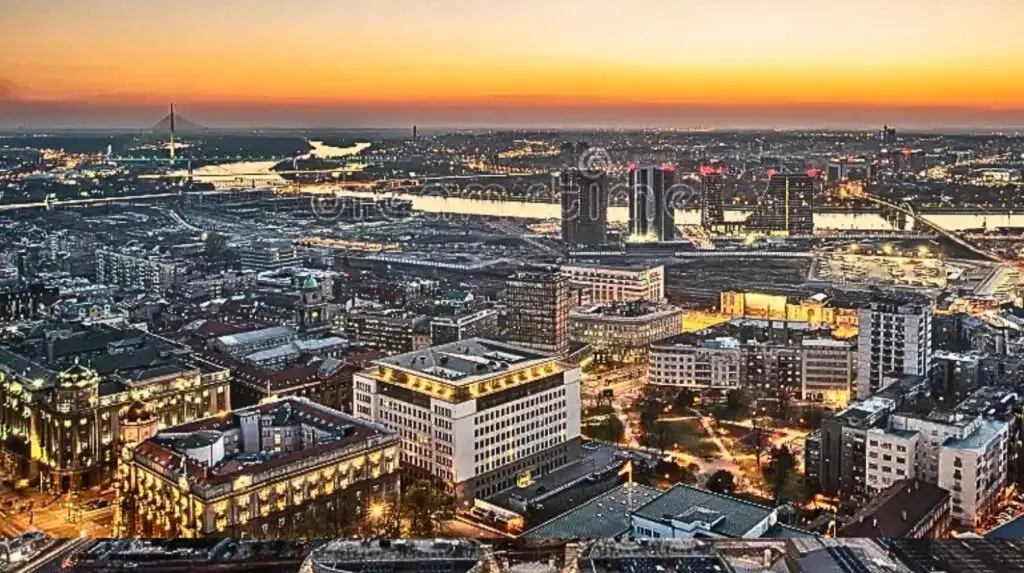
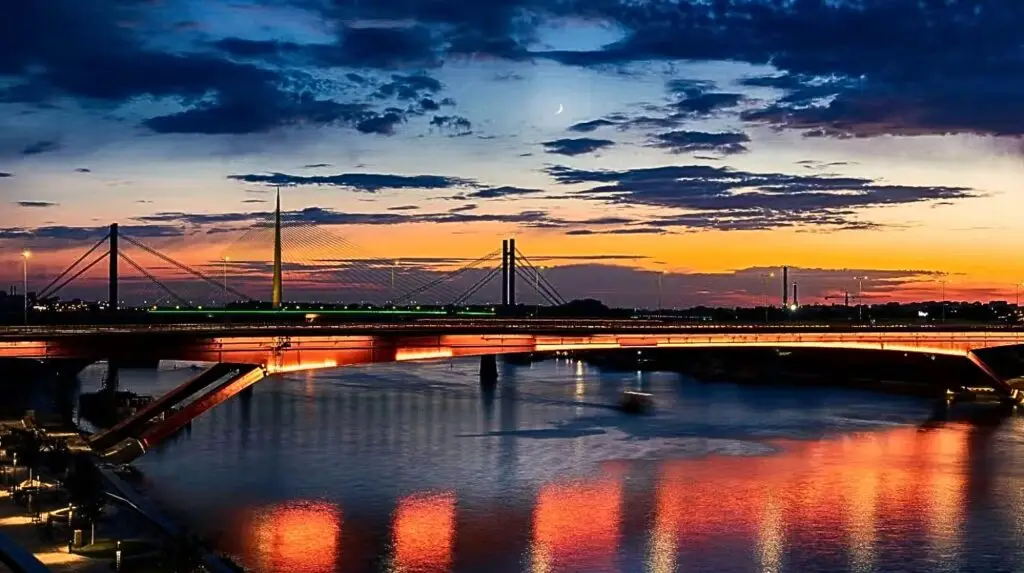
Located in Southeast Europe, Serbia shares borders with Hungary to the north, Romania and Bulgaria to the east, North Macedonia to the south, and Croatia, Bosnia and Herzegovina, and Montenegro to the west. The Danube River flows through the country, providing vital trade routes. Belgrade, the capital, sits at the confluence of the Sava and Danube rivers, serving as the nation's political and economic centre. The Serbian dinar (RSD) is the official currency. Culturally, Serbia is known for its rich traditions, including the annual EXIT Festival in Novi Sad and the vibrant Belgrade Beer Fest. Landmarks such as the Belgrade Fortress and the Church of Saint Sava highlight its historical significance. Its robust infrastructure and favourable business environment make it an attractive destination for global enterprises.
Population and language
Serbia has a population of approximately 6.6 million, with Serbs making up 80.6%. Minority groups include Hungarians at 2.8%, Bosniaks at 2.3%, and Roma at 2%. Migration impacts population trends, with emigration contributing to a declining growth rate. Serbian is the official language and is written in both Cyrillic and Latin scripts. In the Autonomous Province of Vojvodina, Hungarian, Slovak, Romanian, Croatian, and Rusyn have official status alongside Serbian. Higher education primarily uses Serbian, though English-taught programmes are increasing. English is widely spoken in business, while German, French, Russian, Spanish, and Italian are part of the educational curriculum. The country’s multilingual workforce strengthens its position in global markets, with foreign language proficiency being an asset in business and higher education.
Education and workforce
Serbia’s higher education system includes the University of Belgrade, University of Novi Sad, University of Niš, and University of Kragujevac, offering programmes in engineering, IT, business, and sciences. English-taught courses are expanding, supporting international business needs. The Science Fund finances research, increasing funding to USD 107.5 million. Serbia’s workforce development includes vocational training, with 65.6% of graduates securing employment. Digital skills are a priority, with computing subjects integrated into pre-university curricula. Workforce reskilling and upskilling remain limited, affecting employment rates. Innovation parks and accelerators support start-ups, while work-based learning models are being expanded. The country participates in Erasmus+ and Horizon Europe, enhancing education and workforce mobility. A growing emphasis on technical skills strengthens Serbia’s position in global industries requiring highly skilled workers.
Transport and infrastructure
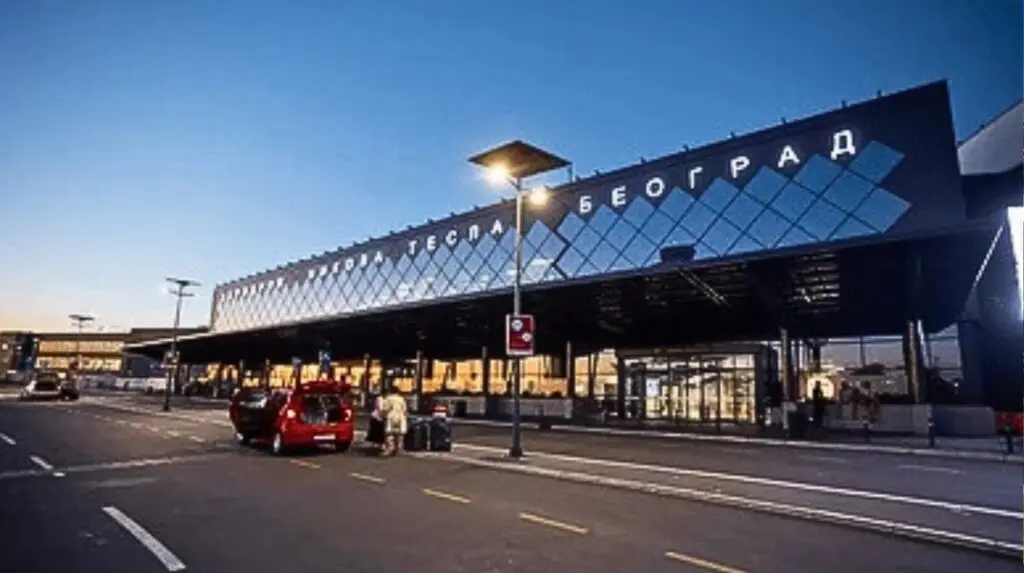
Belgrade Nikola Tesla Airport (IATA: BEG, ICAO: LYBE) is Serbia’s main international airport, while Niš Constantine the Great Airport (IATA: INI, ICAO: LYNI) serves the southern region. The government is investing USD 2.68 billion in infrastructure, focusing on transport networks. The Belgrade–Budapest high-speed railway enhances regional connectivity. The European Bank for Reconstruction and Development has invested over USD 800 million in transport and energy projects. The World Bank supports railway modernisation with USD 65 million, improving safety and efficiency. The ‘Green Stations’ project introduces electric vehicle charging hubs on highways. Rail services remain the safest internal transport option, with ongoing improvements. Sustainable transport initiatives and major highway expansions strengthen Serbia’s position as a growing business hub, ensuring reliable connectivity for enterprises.
Telecommunications and connectivity
Serbia has invested over USD 70 million in artificial intelligence and digital research, reinforcing its position in the ICT sector. The state-owned Data Centre in Kragujevac houses critical infrastructure, including an NVIDIA supercomputer and Oracle Cloud’s first regional data centre. The ICT sector is the country’s largest net exporter, generating USD 3.9 billion in exports with a 19% trade surplus increase. Telekom Srbija, SBB, and Orion Telekom lead connectivity advancements. A 5G spectrum auction is scheduled, with full rollout expected by 2027. The government is deploying 4,500 kilometres of optical cable to expand high-speed internet access. Serbia’s digital economy strategy prioritises internet access, innovation, and digital service expansion, ensuring strong connectivity for businesses and positioning the country as a key ICT hub in Southeast Europe.
Government support and growth
The BIO4 tech park in Belgrade focuses on biotechnology and pharmaceuticals, supporting Serbia’s innovation sector. The government has allocated USD 2.68 billion for investment projects, enhancing infrastructure and technology. The Science Technology Park Belgrade has supported over 240 early-stage tech companies. Serbia’s Free Trade Agreement with China strengthens international trade and investment. The National Investment Plan designates USD 14 billion for major development projects. The Chamber of Commerce and Industry of Serbia assists businesses with public and private sector services. The Belgrade–Budapest high-speed railway improves regional connectivity. The World Bank has invested USD 65 million in railway modernisation. The ‘Green Stations’ project adds electric vehicle charging infrastructure to highways. The European Bank for Reconstruction and Development forecasts strong economic growth, driven by fiscal policies and infrastructure expansion.
Bpo services
Serbia’s BPO sector is expanding, with a projected annual growth of 6.14%, reaching USD 208.50 million by 2029. Key sectors include customer service, technical support, and back-office operations. The ICT industry, comprising over 11,000 companies and employing around 110,000 professionals, plays a major role in outsourcing services. Competitive wages, a skilled workforce, and strategic location attract foreign direct investment. Government policies focus on digitalisation and sustainability, enhancing Serbia’s competitiveness. Companies such as Business Integrator and Callosseum Contact Centre contribute to sector development. The government allocates significant funding to strengthen infrastructure and workforce training. Serbia’s outsourcing market benefits from multilingual professionals, particularly in English, German, and French. Its proximity to European markets and robust digital connectivity position it as a growing outsourcing destination in the region.

Top Outsourcing services
Exceptional service solutions
South Africa excels in providing diverse and efficient outsourcing services, including customer support, technical assistance, financial process management, and specialised industry support.
ServiceS frequently outsourced to
serbia
- Auditing
- Billing Support
- Booking Support
- Claims Processing
- Customer Service
- DevOps Practices
- Digital & Technology Services
- Digital Transformation
- Multilingual Support
- ERP Solutions
- Financial Accouting
- Help Des
- Infrastructure Maintenance
- I.T. Audit & consulting
- I.T. Project Rescue
- I.T. Staffing Services
- L2 & L3 Suport
- Omni-channel Services
- Research and Development
- Robotic Process Automation (RPA)
- Software Development
ServiceS frequently outsourced to
Serbia
- Auditing
- Billing Support
- Booking Support
- Claims Processing
- Customer Service
- DevOps Practi
- Digital & Technology Services
- Digital Transformation
- Multilingual support
- ERP Solutions
- Financial Accouting
- Help Desk
- Infrastructure Maintenance
- I.T. Audit & consulting
- I.T. Project Rescue
- I.T. Staffing Services
- L2 & L3 Suport
- Omni-channel Services
- Research and Development
- Robotic Process Automation (RPA)
- Software Development